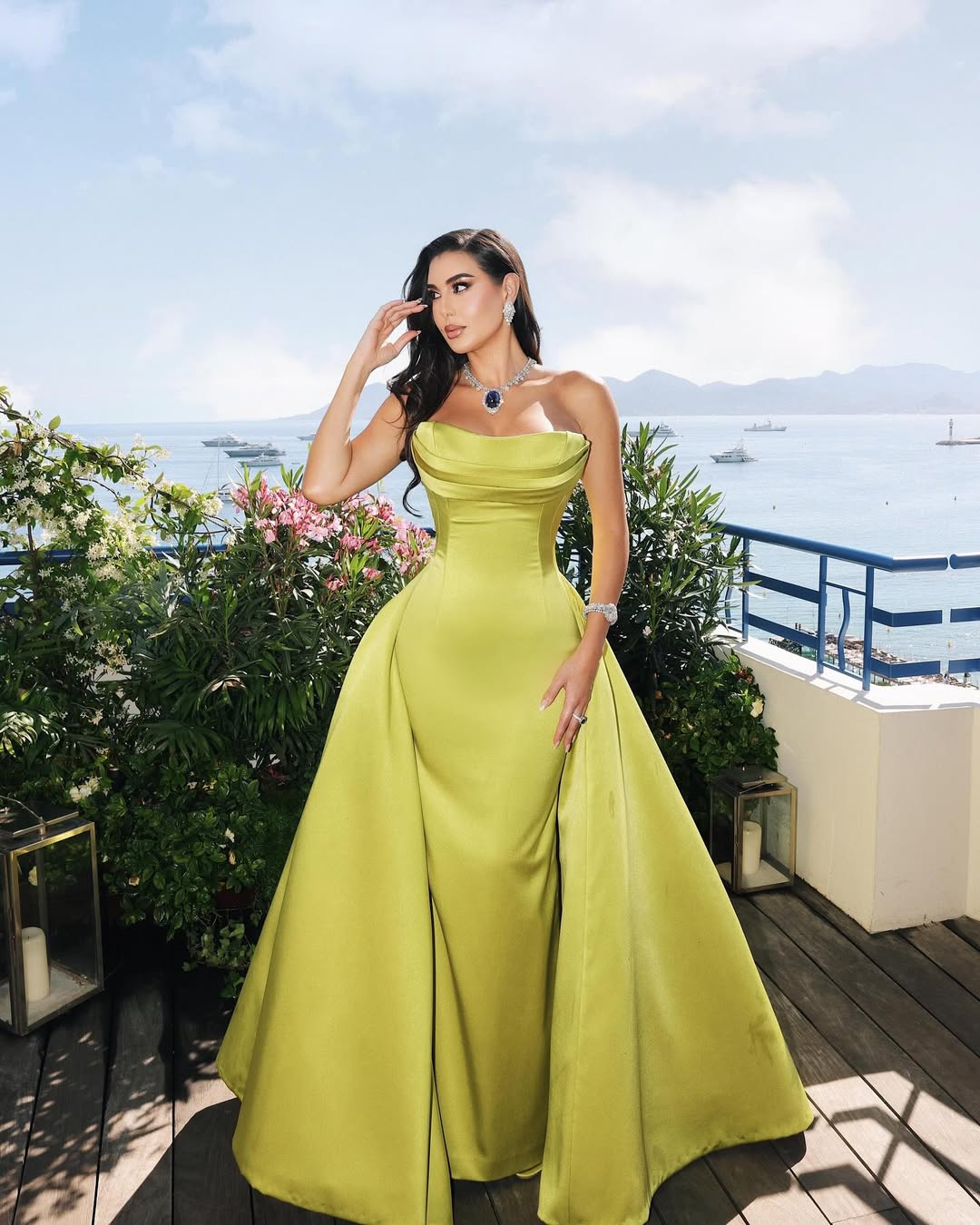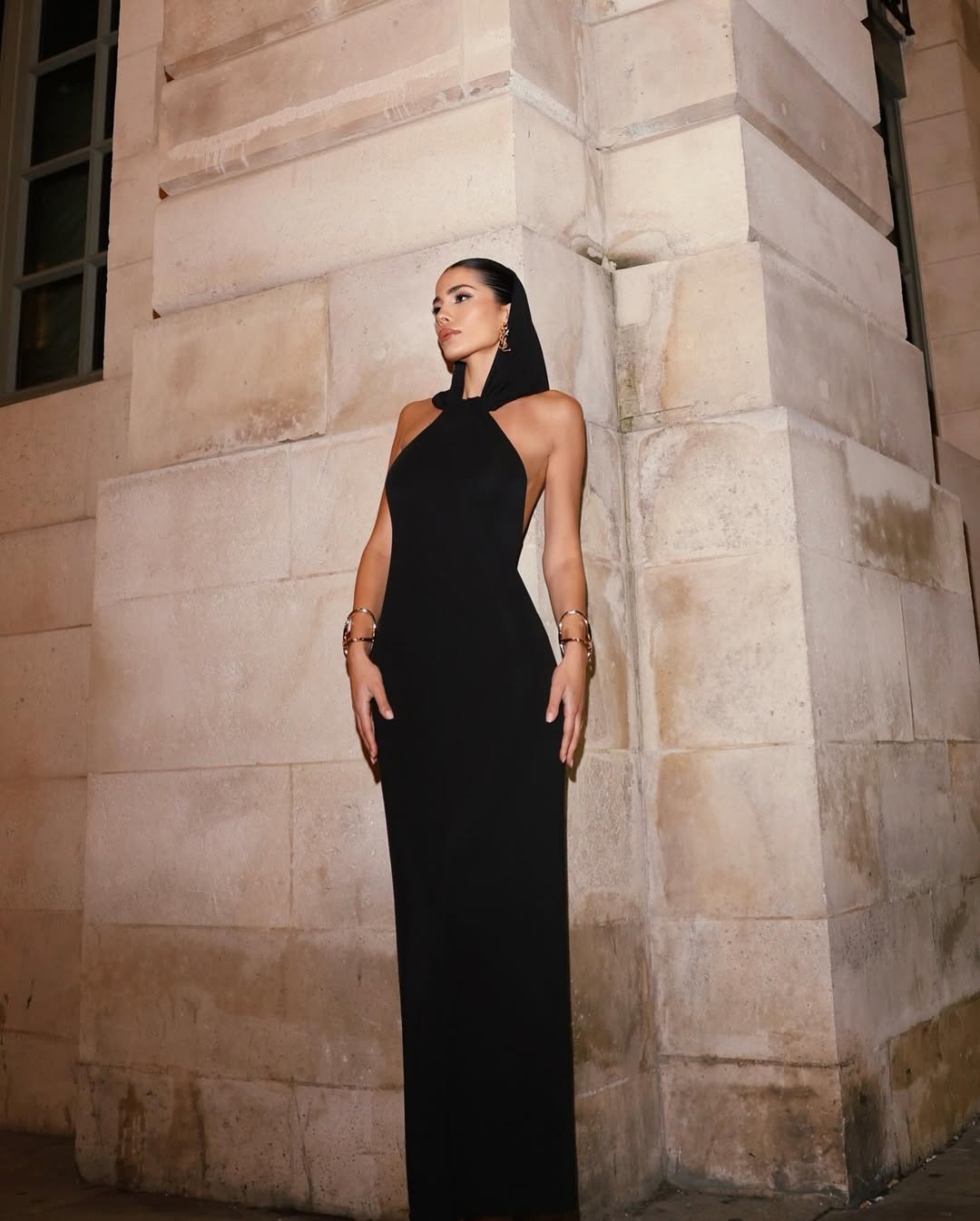
From boardrooms to film sets, courtrooms to coding labs, Arab women are stepping into power—not as exceptions, but as architects of the region’s future
By Ayesha Shehmir
Across the Middle East and North Africa, a quiet revolution is reshaping the landscape—led by Arab women who are no longer asking for space, but claiming it. These women are not only transforming industries and rewriting cultural scripts; they’re leading with intention, confidence, and a deep sense of identity.
Today’s Arab woman is many things: an entrepreneur, artist, minister, scientist, designer, and change-maker. She moves fluidly between tradition and progress, unbound by the binary. This new wave of empowerment is not a rejection of heritage—it’s a reimagining of it.
Take Haifaa Al-Mansour, Saudi Arabia’s first female filmmaker, who challenged conventions with Wadjda and helped usher in a new era of storytelling.
Or Rana El Kaliouby, the Egyptian-American AI pioneer whose groundbreaking work in emotional technology is reshaping how we interact with machines. Amna Al Qubaisi, the UAE’s first female Formula 4 driver, is not just making history on the racetrack—she’s accelerating past outdated gender expectations.
Then there’s Balqees Fathi, the Yemeni-Emirati singer using her voice both on stage and off to champion women’s rights and mental health.
Nayla Al Khaja, the UAE’s first female film director, is carving space for nuanced female narratives in a male-dominated industry.
Farah Abdel Aziz, the Egyptian fashion entrepreneur behind sustainable label Opio, is proving that ethical style can have commercial power. And Manal Rostom, the Egyptian marathon runner and founder of the Nike Hijabi Run Club, is inspiring a new generation of fitness-conscious Muslim women.
These women represent just a sliver of the movement that’s unfolding—one rooted in authenticity, community, and bold imagination.
Digital platforms have played a huge role in amplifying this wave. Social media has become a dynamic tool for Arab women to build personal brands, share ideas, and rally communities. Through every post, podcast, and campaign, women are cultivating visibility on their own terms—and with that visibility comes impact.
What makes this moment especially powerful is the rise of solidarity. Empowered Arab women are not just standing tall; they are lifting others with them. From mentorship networks and female-focused accelerators to collaborative creative collectives, a new sisterhood is forming—one that thrives on shared success.
This is not a trend. It’s a movement powered by education, innovation, and cultural fluency. Arab women are no longer symbols of what could be—they are evidence of what is. The world is watching, but more importantly, Arab women are watching each other—and cheering loudly.
Lead image courtesy of @fafiabdelaziz